The Story So Far
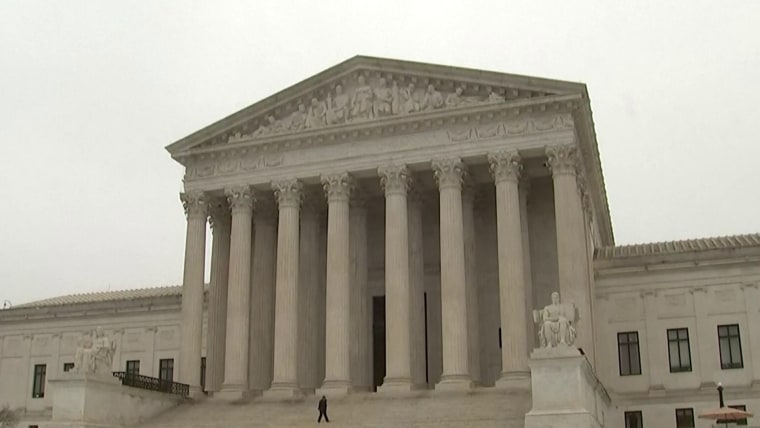
The Supreme Court struck down President Trump's sweeping emergency tariffs in a landmark 6-3 ruling — and the president responded by defying the court and hiking global tariffs to 15%, igniting a constitutional crisis that has split his own party.
The ruling invalidated Trump's "Liberation Day" tariffs, which had imposed a 10% baseline on all trading partners and higher reciprocal rates on dozens of countries. More than $175 billion in collected revenue is now in question. Trump lashed out at Justices Barrett and Gorsuch — both his own appointees — calling them "ashamed" and "disloyal to the Constitution."
Markets convulsed on the news. U.S. stocks whipsawed through one of the most volatile trading days in recent memory, initially plunging before recovering on hopes of congressional intervention.
A Party Divided
A YouGov survey found 60% of Americans sided with the Court, and the ruling has exposed deep fractures within the Republican Party. Vulnerable GOP incumbents face mounting pressure from voters uneasy about rising prices ahead of the midterms, while Trump loyalists demand full support for the president's trade agenda. The tension between populist economics and traditional conservative free-market principles has never been sharper.
International Fallout
The trade war's biggest casualty may be the US-Canada relationship. Trump ended trade negotiations with Ottawa over the tariff dispute, and Canadian anti-American sentiment has surged to historic levels as citizens worry about economic sovereignty. Across the Atlantic, European leaders openly criticized the administration at the Munich Security Conference, warning that America's trade belligerence is fracturing the Western alliance.
The constitutional question — whether a president can effectively circumvent a Supreme Court ruling through alternative legal authorities — remains unresolved and will likely define the remainder of the term.